

Blog

Understanding what is halal food begins with a simple principle: food should meet the dietary requirements of the person eating it. For Muslim diners, this involves more than avoiding certain meats. Ingredients, preparation methods, and the handling of a finished dish can all influence whether a meal is suitable.
For beginners, the subject can seem complicated, particularly when reading unfamiliar ingredient lists or ordering from a restaurant. However, learning a few essential distinctions makes everyday decisions easier. This guide explains the terminology, introduces familiar meal options, and outlines practical questions to ask before shopping or dining out.
What Is Halal Food?
Halal food is food that is permissible under Islamic dietary laws. The term applies to ingredients and, where relevant, the processes used to produce and prepare them. It covers everyday groceries, drinks, restaurant meals, and manufactured products rather than one particular cuisine.
A common misunderstanding is that the description refers only to meat. In practice, a meal may also require checking the stock in a soup, the source of gelatin in a dessert, or the ingredients in a sauce. Looking at the complete recipe provides a more useful assessment than focusing on the main protein alone.
Another misconception concerns flavour. These dietary requirements do not prescribe a particular seasoning or cooking style. A gently seasoned vegetable soup and a richly spiced grilled dish can both be suitable when their ingredients and preparation meet the relevant requirements.
For someone hosting guests, the most helpful starting point is understanding their expectations. Ask whether they require certified products and whether they have any additional preferences about preparation. This avoids making assumptions based on what another friend or family member accepts.
What Does “Halal” Mean?
The answer to “what does halal mean” is “permissible” or “lawful.” In Islam, the concept extends beyond eating, although food is one of its most familiar applications. The halal food meaning therefore concerns religious permissibility rather than a flavour, nationality, or quality grade.
Calling something permissible food does not automatically describe its nutritional value. The term answers a religious dietary question; portion size, ingredients, and nutritional balance remain separate considerations.
What Makes Food Halal?
Understanding what makes food halal requires looking at the food itself and what happens to it before serving. A suitable ingredient can become part of an unsuitable dish if a prohibited ingredient is added during preparation.
Meat introduces additional requirements. When beginners ask what is halal meat, they are asking about meat from a permitted animal that has also undergone an acceptable slaughter process. Beef or chicken does not qualify simply because the animal species is permitted.
The term zabiha refers to slaughter carried out according to religious requirements. Relevant considerations include the animal being alive at slaughter, the prescribed procedure, and the invocation of God’s name. Standards concerning particular slaughter practices can differ between certifiers, so diners may need to check which standard a supplier follows.
Preparation and handling also matter. Kitchens need procedures that prevent contact with prohibited ingredients through equipment, utensils, storage, or cooking surfaces. A restaurant should be able to explain how it maintains the suitability of its ingredients through to the finished meal.
Meat supplier is one part of the assessment, but the cooking liquid, marinade, and sauce deserve attention too. Asking about the complete plate is more useful than receiving reassurance about just one component.
Halal vs Haram: What Is the Difference?
The distinction between halal vs haram is permission versus prohibition. Pork, its derivatives, blood, and intoxicating alcoholic drinks are among the principal prohibited items. Meat must also satisfy the applicable religious requirements.
Uncertainty is a separate issue: an unfamiliar ingredient is not automatically prohibited. Its source or production method may simply require clarification. Checking with a manufacturer or a trusted certifier is more reliable than judging a technical ingredient name by how unfamiliar it sounds.
Pay particular attention to gelatin, animal fats, meat extracts, and animal-derived enzymes. Their acceptability can depend on their source. Alcohol-containing ingredients, including cooking wine and certain flavourings, also deserve checking.
Food labels provide a starting point, but broad descriptions such as flavouring may not answer every question. Where the source remains unclear, request clarification or choose a verified alternative. Questions about trace alcohol, processing aids, and particular manufacturing methods are best directed to the certifier whose standard the diner follows.
What Foods Are Halal? Everyday Examples
Many familiar foods can fit these dietary requirements without requiring an entirely different approach to cooking. Fresh produce, grains, and pulses provide a practical foundation, while more complex products may need closer inspection.
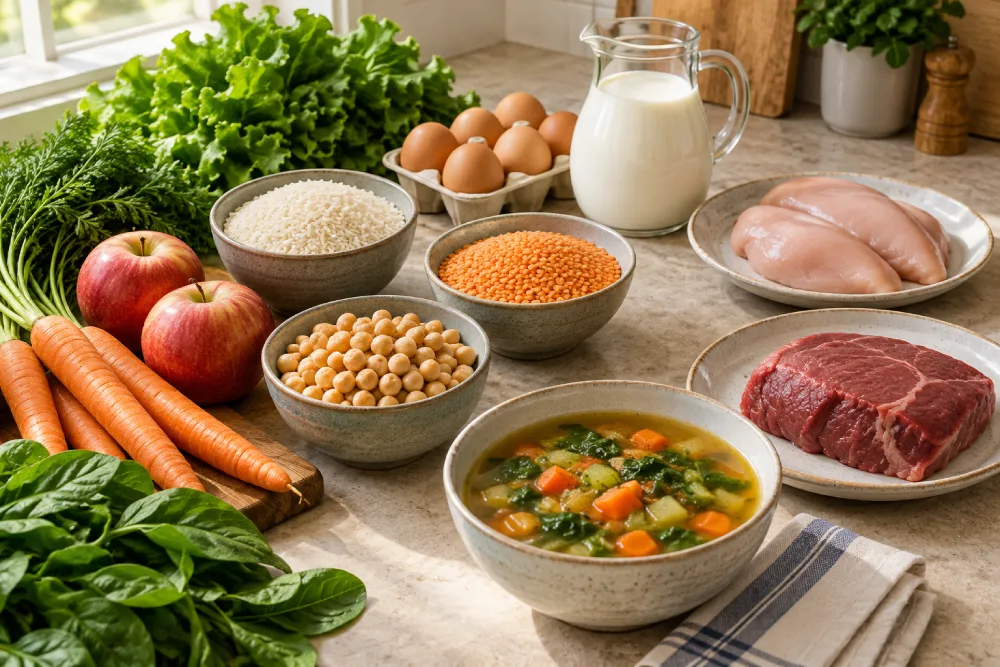
Useful halal food examples include:
- Fresh fruit and vegetables: Apples, carrots, leafy greens, and similar unprocessed produce.
- Plain grains and pulses: Rice, oats, lentils, chickpeas, and beans prepared with suitable ingredients.
- Eggs and plain milk: Everyday options that can form part of breakfasts, snacks, and cooked dishes.
- Verified meat and poultry: Halal chicken and halal beef obtained from an appropriate source.
- Suitable prepared meals: Vegetable dishes, soups, and baked products whose complete ingredients have been checked.
The distinction between a basic ingredient and a finished product is useful. Plain rice presents a different question from restaurant rice cooked in an unidentified stock. Similarly, fresh fruit differs from a fruit dessert containing gelatin.
Convenience foods benefit from the same approach. Rather than assuming that every version of a familiar product is equivalent, compare the exact product and recipe. Two brands of the same type of food may use different ingredients, and a manufacturer may change its formulation.
People also ask about halal vs kosher. These are distinct religious dietary systems with some overlapping restrictions, including the prohibition of pork. Their rules are not interchangeable, however. Some kosher products contain alcohol, and their certification does not automatically establish suitability for every Muslim consumer.
For everyday shopping, begin with foods you understand, then expand your choices as you learn how to verify more complex products.
Is Persian Food Halal?
The question “is Persian food halal” cannot be answered by cuisine alone. Many traditional recipes use ingredients that can meet the requirements, but the answer still depends on the supplier, recipe, and kitchen practices at the establishment preparing them.
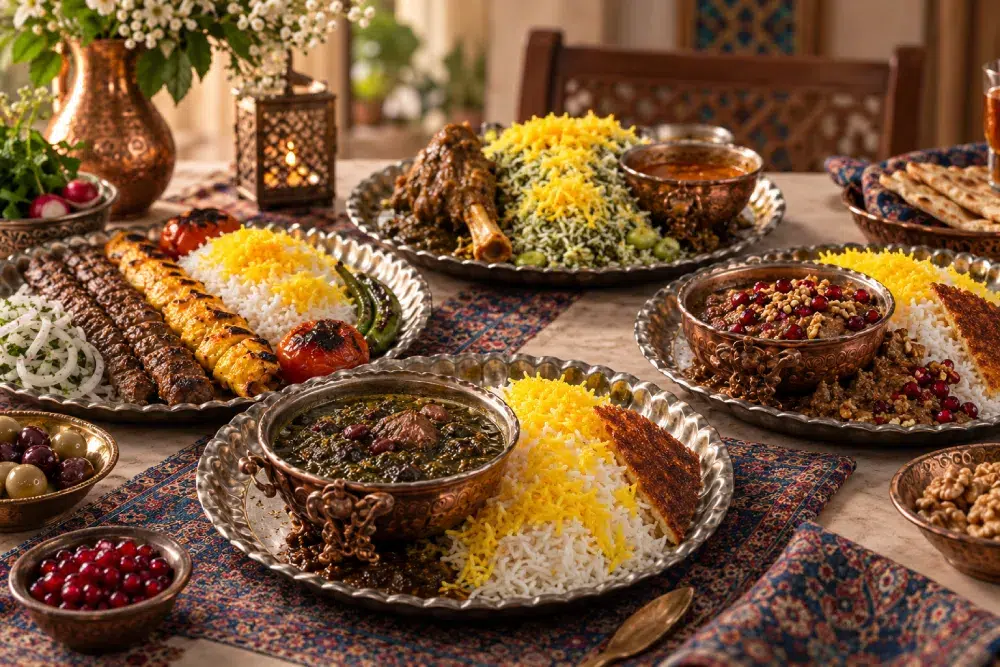
Rice, herbs, grilled vegetables, and legume dishes offer familiar starting points. Meat dishes need confirmation of sourcing, while prepared sauces, stocks, and dairy ingredients may require further questions.
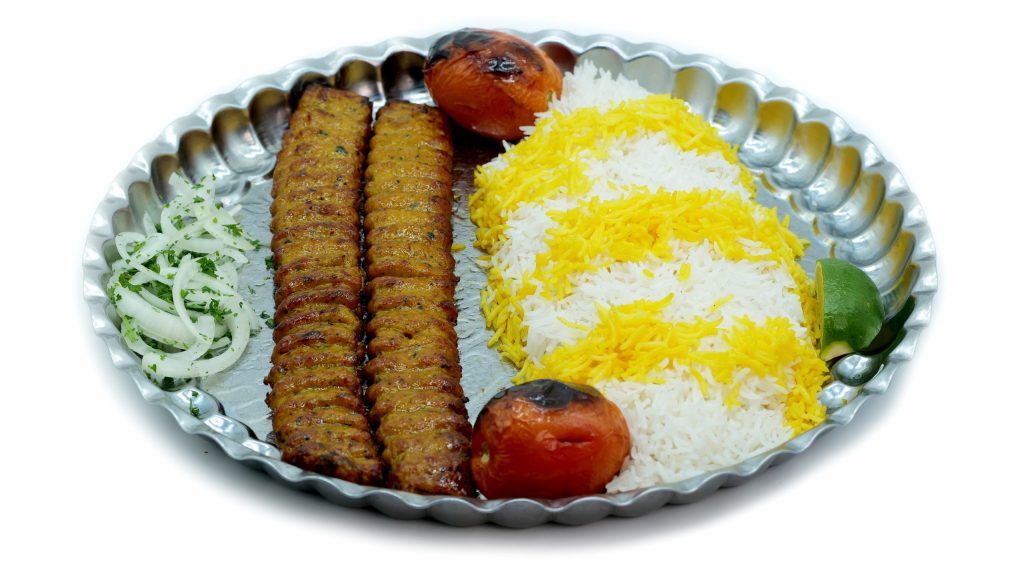
For example, koobideh kebab commonly features seasoned ground meat. Its suitability depends on the meat source and any additional ingredients rather than the dish’s traditional name. An appealing description on a menu does not replace information about how it is made.
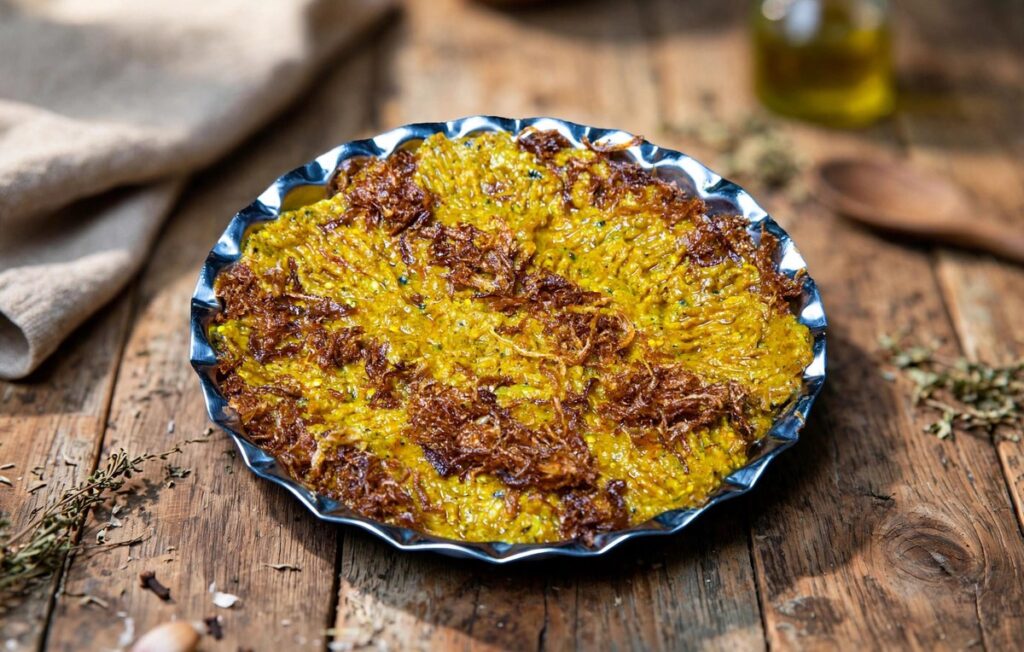
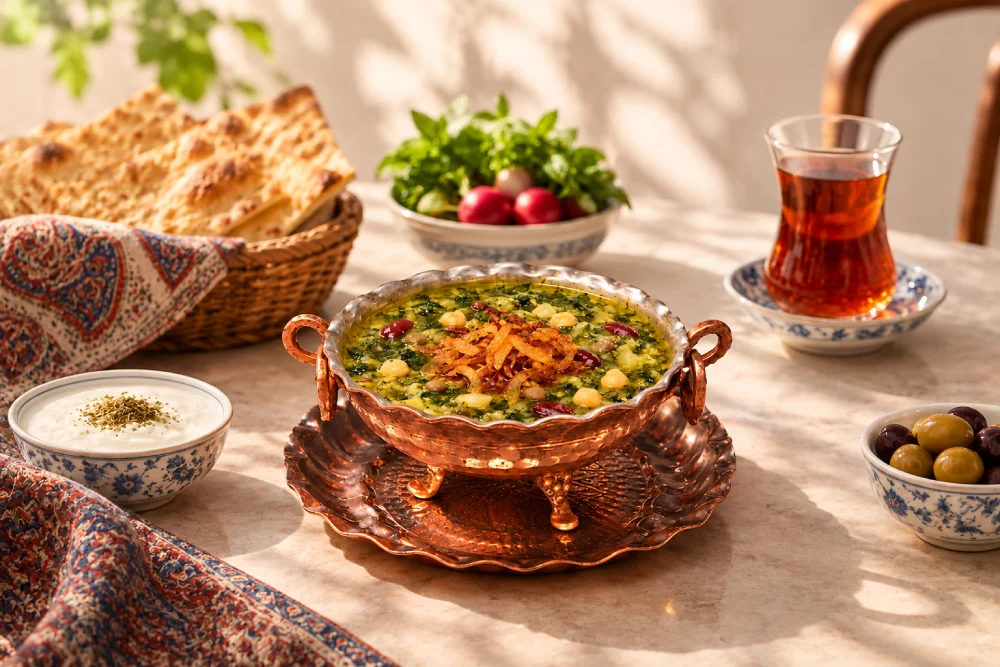
Persian appetizers deserve the same attention as main courses. An eggplant dish may contain dairy, while a soup or vegetable preparation may use meat stock. These ingredients are not necessarily unsuitable, but they illustrate why the complete recipe matters.
When reviewing a Persian halal food menu, identify dishes that interest you first, then ask targeted questions about them. This makes the conversation more practical than requesting a general assurance about the entire cuisine.
Someone searching for Shishlik kebab Coquitlam should confirm the meat source and marinade before ordering. A dish name or location-based search result does not establish its dietary status.
Likewise, a listing for Kashk bademjan Burnaby & Coquitlam may help locate an eggplant appetizer, but diners should still check its dairy ingredients, garnishes, and preparation where relevant.
How to Check Halal Options in Metro Vancouver
Finding suitable meals is easier when you distinguish between discovering a restaurant and verifying its practices. Search results, photographs, and reviews can help you identify possibilities. Confirmation should come from the business and, where applicable, its certifier.
A search for halal food Vancouver may return restaurants, grocery shops, delivery listings, and older recommendations. Treat these as starting points. Check the specific location and current menu before making plans, particularly if a listing provides little information about suppliers or certification.
For diners seeking halal Persian food Coquitlam, the next step is to ask whether the claim applies to all meat dishes, selected items, or the restaurant’s complete operation. These descriptions communicate different things.
The phrase Halal restaurant Coquitlam can help narrow a search, but it should lead to a conversation about the food being ordered. A photograph of a supplier’s meat package, for example, does not explain every ingredient used in a finished dish.
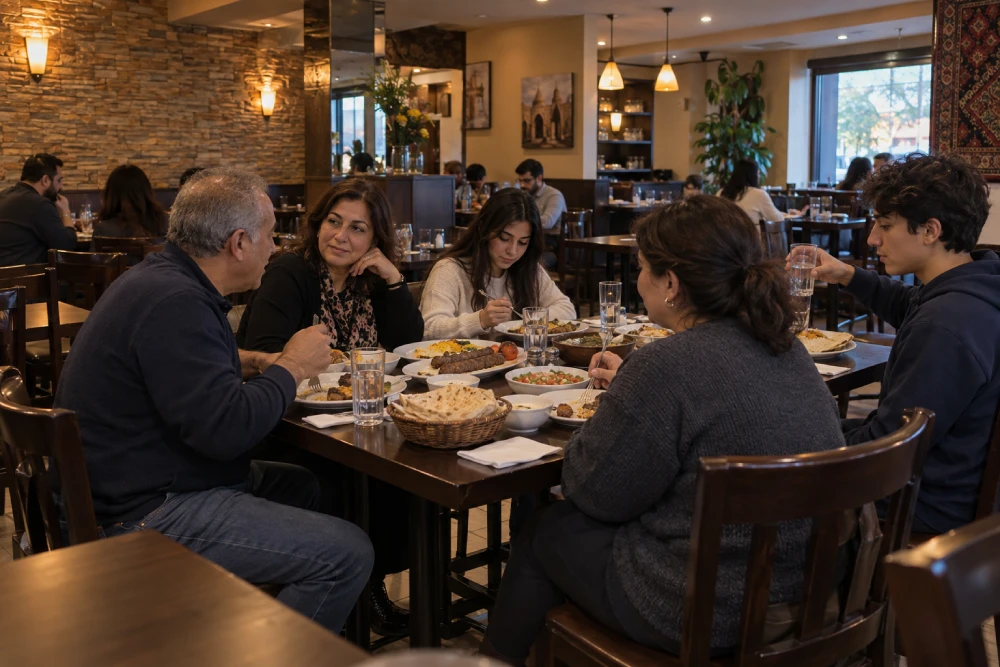
For a halal restaurant Tri-Cities search, apply the same process to each establishment. Confirm the location, ask about the dishes you intend to order, and explain any preparation requirements that matter to your party.
Before a family celebration or larger reservation, contact the restaurant in advance. Staff will have more time to check details, discuss substitutions, and clarify which options they can confidently provide.
What Does Halal Certification Mean in Canada?
People researching halal food certification Canada should look for the identity of the certifier. The Canadian Food Inspection Agency explains that claims on labels, packaging, or advertisements must identify the person or body that certified the food.
Certification provides a standard against which a claim can be checked. Diners should establish what the certificate covers, including the relevant product or location, and ask whether it remains current. A certificate for one supplier should not be assumed to cover every dish a restaurant serves.
Questions to Ask Before Ordering
Learning how to know if food is halal becomes easier when questions are specific. A general question may produce a general answer, while asking about ingredients and preparation gives staff something concrete to verify.
At a halal food restaurant, useful questions include:
- Which dishes are covered by your claim? Clarify whether it applies to the whole menu or selected items.
- Who supplies and certifies your meat? Ask for information about the products currently being used.
- What is included in the marinade, stock, and sauce? Check components that may not appear in the menu description.
- How do you prevent contact with prohibited ingredients? Ask about equipment and handling when these details matter to you.
- Can you check uncertain ingredients before I order? Give staff an opportunity to consult the kitchen or product packaging.
Explain your requirements calmly and directly. For example, saying that you need confirmation about the stock in a soup is easier to act on than asking whether the kitchen is “generally suitable.”
If an employee does not know, allow them to check with someone responsible for purchasing or preparation. An accurate answer may require looking at packaging or contacting a supplier.
Ordering for a group requires an additional step: ask your guests what they accept before choosing the venue. Personal expectations can differ, and the host should avoid deciding on someone else’s behalf.
Keep allergies separate from religious dietary questions. A suitable meal may still contain nuts, dairy, wheat, or other allergens. Discuss both requirements explicitly so the restaurant understands the complete request.
Can Non-Muslims Eat Halal Food?
Yes. Anyone can eat meals that meet these requirements, regardless of religious identity. There is no requirement to adopt a faith before enjoying the food.
For someone exploring a halal diet, the experience may involve familiar ingredients prepared with verified sourcing and suitable recipes. The most noticeable difference may be the information available about ingredients rather than a change in taste.
Choosing halal foods does not require ordering meat. A shared meal can include vegetable dishes, rice, salads, and other options selected around the preferences of everyone at the table.
It also helps to keep dietary suitability and personal preference distinct. Certification does not tell you whether a dish will be spicy, rich, or suited to your appetite. Read the description, ask about portion size, and choose what you enjoy.
When dining with friends who observe halal dietary requirements, thoughtful preparation makes the experience more comfortable. Confirm the menu beforehand, communicate any questions clearly, and let guests make their own decisions. Understanding the principles creates room for an enjoyable meal without leaving essential details to assumption.
FAQ
- Does halal food taste different from other food?
Halal requirements do not prescribe a particular flavour. Taste depends on the recipe, seasoning, ingredients, and cooking method.
- Is vegetarian food always halal?
Not automatically. Vegetarian dishes may contain cooking wine or other ingredients that require checking. Preparation methods can also matter.
- Does halal certification mean food is organic?
No. Halal and organic certification assess different requirements. A product must meet each standard separately to carry both claims.