

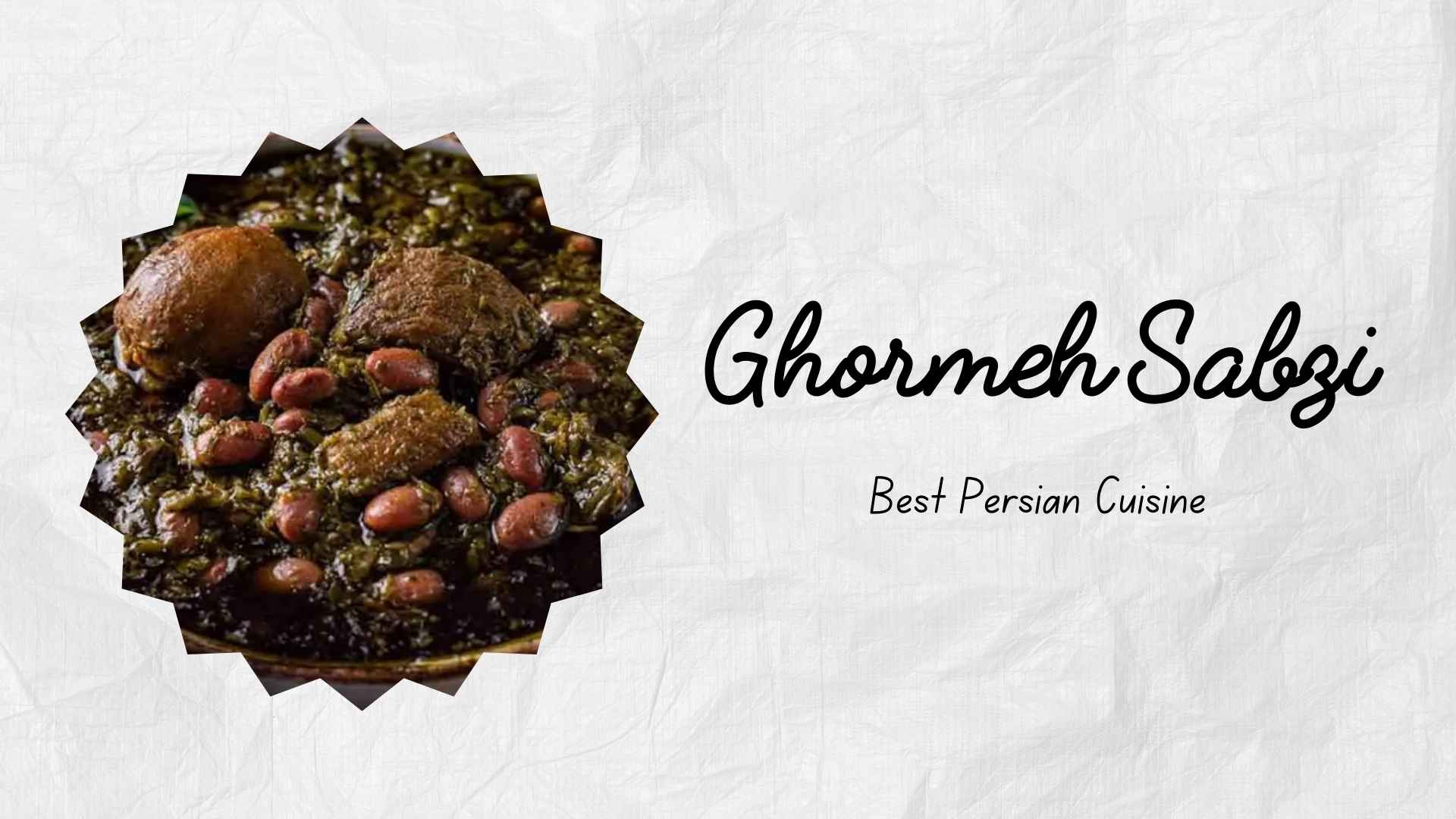
Ghormeh Sabzi is a traditional and beloved Iranian stew, renowned for its rich flavors and aromatic herbs. This dish holds a special place in Persian cuisine and is cherished by many. Below is a comprehensive guide to preparing a delicious Ghormeh Sabzi.
What makes Ghormeh Sabzi so distinctive is the combination of slowly sautéed herbs, tender meat, beans, and dried Persian limes, which come together to create a deep, savory, and slightly tangy flavor. Although recipes may vary between families and regions, the key to a successful Ghormeh Sabzi recipe is allowing enough time for the herbs and other ingredients to cook slowly and develop their full flavor. With the right ingredients and a little patience, you can prepare an authentic Persian herb stew at home that is both comforting and full of character.
What Is Ghormeh Sabzi?
Ghormeh Sabzi is a traditional Persian herb stew known for its deep green colour, rich aroma, and distinctive combination of fresh herbs, beans, tender meat, and dried Persian limes. Often considered one of the most recognizable dishes in Persian cuisine, it develops its characteristic flavour through slow cooking. The herbs are finely chopped and sautéed before being simmered with beef or lamb, beans, turmeric, and limoo amani. The result is a savoury, herb-forward stew with a pleasantly tangy finish that is traditionally served over Persian rice.
The name Ghormeh Sabzi refers to the herb-based nature of the dish, although recipes vary between Iranian regions and even from one family to another. Some versions use kidney beans, while others use pinto beans or black-eyed peas, and the balance of parsley, cilantro, Persian chives, and fenugreek may also change. At pasargadrestaurant, dishes such as Ghormeh Sabzi represent the slow-cooked flavours and ingredient combinations that have made traditional Persian food popular across generations.
What Herbs Are Used in Ghormeh Sabzi?
The classic Ghormeh Sabzi herbs usually include fresh parsley, cilantro, Persian chives or tareh, and fenugreek, known as shanbalileh in Farsi. Persian chives can be difficult to find outside Iranian grocery stores, so leek greens, chives, or green parts of scallions can work as practical substitutes. Fenugreek is especially important because it gives this Persian herb stew its recognizable aroma, but it should be used carefully because too much can create an unpleasant bitterness. Some regional versions also include a small amount of spinach, while others rely primarily on parsley, cilantro, chives, and fenugreek.
Ghormeh Sabzi Ingredients and the Best Herb Ratio
There is no single Ghormeh Sabzi herb ratio used by every Persian household, but balance is important. For approximately 500 g of prepared fresh herbs, a practical starting mixture is about 200 g parsley, 150 g Persian chives or leek greens, 125 g cilantro, and 25 g fenugreek. This gives parsley the leading role while allowing cilantro and chives to provide freshness without letting the stronger fenugreek dominate. Other essential Ghormeh Sabzi ingredients include beef or lamb, kidney or pinto beans, onion, turmeric, dried Persian limes, cooking oil, salt, pepper, and water. Wash the herbs thoroughly and dry them well before chopping, since excess moisture can cause them to steam rather than sauté properly.
Ingredients for 4 Servings
| Category | Ingredients | Quantity |
|---|---|---|
| Meat | Stew meat (lamb or beef) | 300g |
| Herbs | Mix of parsley, cilantro, fenugreek, and chives | 500g |
| Beans | Red kidney beans or pinto beans | 150g |
| Onion | Large onion | 1 |
| Dried Limes | Dried Persian limes (Limoo Omani) | 4 |
| Oil | Vegetable oil | As needed |
| Spices | Salt, black pepper, turmeric | To taste |
| Sour Additives | Verjuice (Ab Ghooreh) or fresh lemon juice | Optional |
How to Make Ghormeh Sabzi Step by Step
Learning how to make Ghormeh Sabzi is mainly about giving each stage enough time. The herbs need to be properly prepared and sautéed, the meat should develop good colour, and the finished stew needs a long, gentle simmer so the flavours can blend. Avoid rushing the process or cooking at an aggressive boil. A well-made authentic Ghormeh Sabzi recipe should finish with tender meat, soft beans, a concentrated herb flavour, and a thick but spoonable consistency.
Step 1: Soak the Beans
If you are using dried kidney or pinto beans, rinse them and soak them in plenty of cold water for several hours or overnight. Soaking helps the beans cook more evenly and shortens their cooking time. Drain and rinse them again before adding them to the stew. If using canned beans, rinse them well and wait until later in the cooking process to add them so they do not become overly soft.
Step 2: Prepare the Ghormeh Sabzi Herbs
Wash the parsley, cilantro, Persian chives or substitutes, and fenugreek carefully to remove any dirt or grit. Drain them thoroughly, then pat or air-dry them as much as possible. Finely chop the herbs so they blend into the stew rather than remaining in large pieces. Proper drying is important because wet herbs release steam in the pan and take longer to develop the concentrated flavour associated with traditional Ghormeh Sabzi.
Step 3: Sauté the Herbs
Place the chopped herbs in a wide pan over low to medium heat. Allow some of their remaining moisture to evaporate before adding cooking oil. Continue sautéing gently, stirring regularly, until the herbs become darker and noticeably more aromatic. Depending on the quantity of herbs and their moisture level, this process may take around 15 to 25 minutes. Do not let them turn black or burn. The goal is to concentrate their flavour, not to make them crispy.
Step 4: Sauté the Onion
Heat a small amount of oil in a large, heavy-bottomed pot and add finely chopped onion. Cook over medium heat until the onion becomes soft and golden. Add turmeric and stir for a short time so the spice becomes fragrant without burning. This creates an aromatic base for the stew and adds warmth and depth to the final flavour.
Step 5: Brown the Beef or Lamb
Add cubed beef or lamb to the onion mixture and cook until the outside of the meat develops some colour. Browning contributes deeper savoury flavour to the finished stew. You do not need to cook the meat completely at this stage because it will become tender during the long simmer that follows.
Step 6: Add the Beans and Water
Add soaked and drained dried beans to the pot, followed by enough water to comfortably cover the ingredients. Bring the liquid to a gentle boil, then reduce the heat. Partially cover the pot and allow the meat and beans to begin cooking slowly. If you are using canned beans, leave them out at this stage and add them closer to the end.
Step 7: Add the Sautéed Herbs
Stir the sautéed Ghormeh Sabzi herb mixture into the pot until it is evenly distributed through the liquid. Return the stew to a gentle simmer and continue cooking over low heat. The herbs will gradually soften further and release their flavour into the broth, while the colour of the stew will deepen as it cooks.
Step 8: Prepare and Add the Dried Persian Limes
Pierce the dried Persian limes, or limoo amani, several times with a fork or the tip of a small knife before adding them to the pot. Piercing allows the cooking liquid to absorb their tart, citrus-like flavour. Add them after the stew has already been simmering for a while so their flavour does not become overpowering. If you are particularly sensitive to bitterness, the dried limes can also be soaked briefly in warm water before cooking.
Step 9: Simmer Slowly Until Tender
Continue cooking the Ghormeh Sabzi over low heat until the meat is tender, the beans are fully cooked, and the stew has developed a rich, cohesive consistency. Depending on the cut of meat and cooking method, the full process can take several hours. Check the pot occasionally and add a small amount of hot water if the stew becomes too dry before the meat is tender.
Step 10: Add Canned Beans If Needed
If you are using canned kidney or pinto beans instead of dried beans, stir the drained and rinsed beans into the stew during the later part of cooking. They only need enough time to heat through and absorb some of the stew’s flavour. Adding them too early can cause them to break apart.
Step 11: Adjust the Final Seasoning
Taste the stew once the meat is tender and the flavours have concentrated. Add salt and black pepper as needed. You can gently press one of the softened dried limes against the side of the pot if you want a stronger sour flavour, but avoid crushing all of them because the interior can sometimes introduce excessive bitterness.
Step 12: Rest and Serve
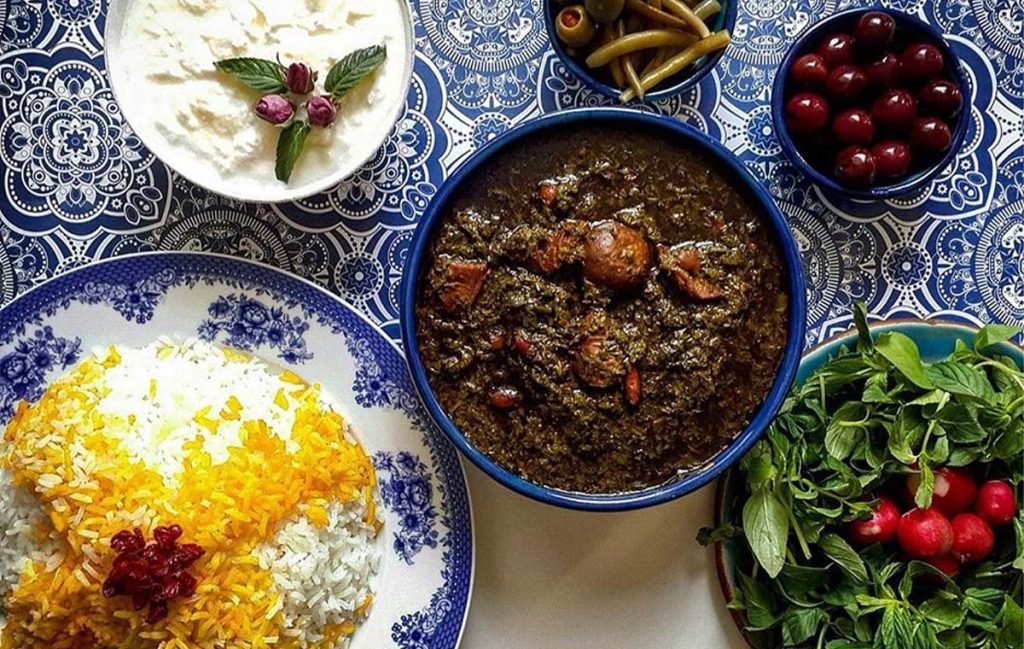
Once the Ghormeh Sabzi has reached the desired consistency, turn off the heat and let it rest briefly before serving. The finished stew should be aromatic, rich, slightly tangy, and thick enough to spoon comfortably over rice. Serve it hot with steamed Persian basmati rice or tahdig.
Tips for the Best Ghormeh Sabzi
- Herb Selection: Use fresh parsley, cilantro, fenugreek, and chives for authentic flavor.
- Sautéing Herbs: Cook herbs until darkened but not burned to enhance taste.
- Dried Limes: Pierce the limes before adding to release their citrusy flavor.
- Slow Cooking: Let the stew simmer for hours to tenderize the meat and blend flavors.
By following these steps and tips, you can prepare a traditional Ghormeh Sabzi that captures the essence of Persian cuisine. Enjoy your meal! If you are in Coquitlam, you can find fresh and frozen herbs along with halal meat at Pasargad Supermarket.
Best Meat for Ghormeh Sabzi: Beef or Lamb?
Both lamb and beef work well in Ghormeh Sabzi. Lamb shoulder provides a richer flavour traditionally associated with many Persian stews, while beef chuck or another well-marbled stewing cut offers a slightly milder taste and becomes tender during slow cooking. Whichever you choose, use a cut suited to long, moist cooking rather than a lean steak cut that can become dry.
Common Ghormeh Sabzi Mistakes and How to Avoid Them
Although the basic method is straightforward, several small mistakes can significantly change the flavour and texture of Ghormeh Sabzi. Paying attention to herb preparation, cooking temperature, fenugreek quantity, and simmering time will produce a more balanced stew.
- Using too much fenugreek: Its strong flavour can quickly make the stew bitter. Use it in a smaller proportion than the other herbs.
- Cooking wet herbs: Dry the herbs thoroughly so they sauté instead of steaming.
- Burning the herbs: Darker herbs provide concentrated flavour, but blackened herbs can make the entire stew bitter.
- Adding too much water: Ghormeh Sabzi should become rich and concentrated rather than thin like soup.
- Boiling aggressively: Maintain a gentle simmer so the meat becomes tender and the flavours develop gradually.
- Adding canned beans too early: Add them toward the end to prevent them from becoming mushy.
- Stopping the cooking too soon: Slow cooking gives the herbs, meat, beans, and dried lime enough time to blend into a cohesive stew.
What to Serve With Ghormeh Sabzi
Ghormeh Sabzi is traditionally served with fluffy Persian basmati rice, and tahdig adds a crisp contrast to the soft stew. Fresh herbs, mast-o-khiar, plain yogurt, Salad Shirazi, torshi, or a simple plate of radishes and herbs can also complement its rich and tangy flavour. On an Iranian food menu, Ghormeh Sabzi is often enjoyed alongside other familiar Persian dishes, although its herb-based flavour makes it a complete main course on its own. If you are exploring more Persian cooking at home, our Joojeh Kabab Recipe is another traditional dish worth trying. Diners searching for Persian restaurant Coquitlam options can also experience traditional Persian dishes without preparing the full slow-cooked recipe at home.
Frequently Asked Questions About Ghormeh Sabzi
- Can You Freeze Ghormeh Sabzi?
Yes. Ghormeh Sabzi generally freezes well because slow-cooked stews maintain their flavour and texture after reheating. Allow it to cool completely, place it in an airtight freezer-safe container, and freeze it in meal-sized portions. Thaw it in the refrigerator before reheating gently on the stovetop.
- Can Ghormeh Sabzi Be Made Vegetarian?
Yes. You can prepare a vegetarian version by leaving out the beef or lamb and increasing the quantity of beans if desired. The sautéed herbs, turmeric, beans, and dried Persian limes still provide plenty of flavour, although the final taste will be somewhat different from the traditional meat-based version.
- Is Ghormeh Sabzi Gluten-Free?
The core ingredients used in traditional Ghormeh Sabzi are naturally gluten-free, including herbs, meat, beans, onion, turmeric, dried limes, and rice. However, anyone following a strict gluten-free diet should still check packaged spices, canned beans, prepared herb mixes, and other processed ingredients for possible additives or cross-contact.